
| Getting your Trinity Audio player ready... |
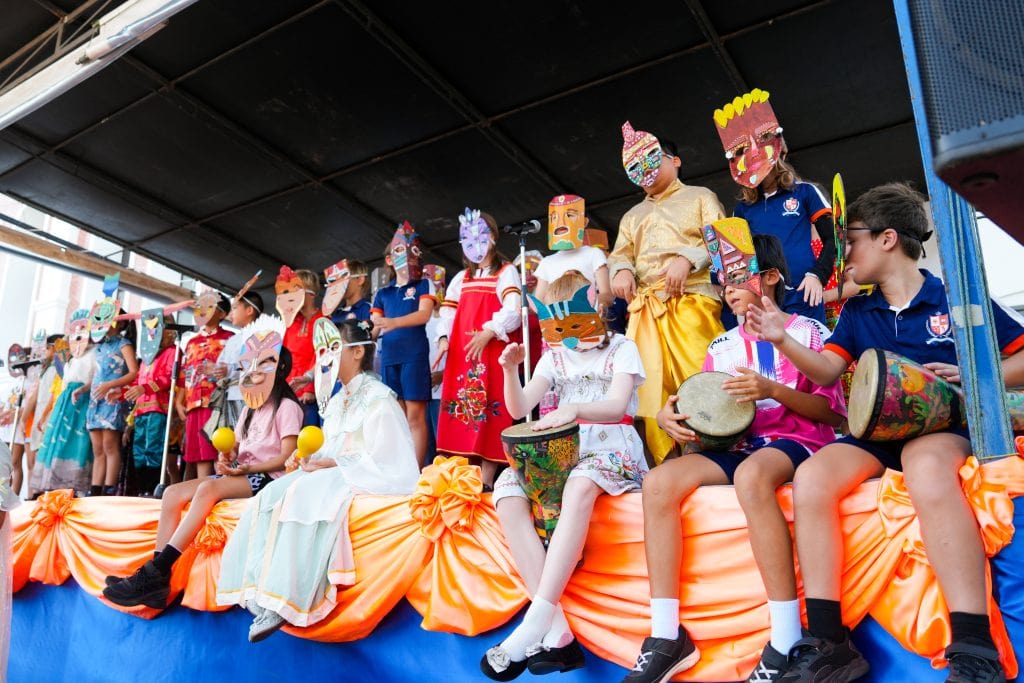
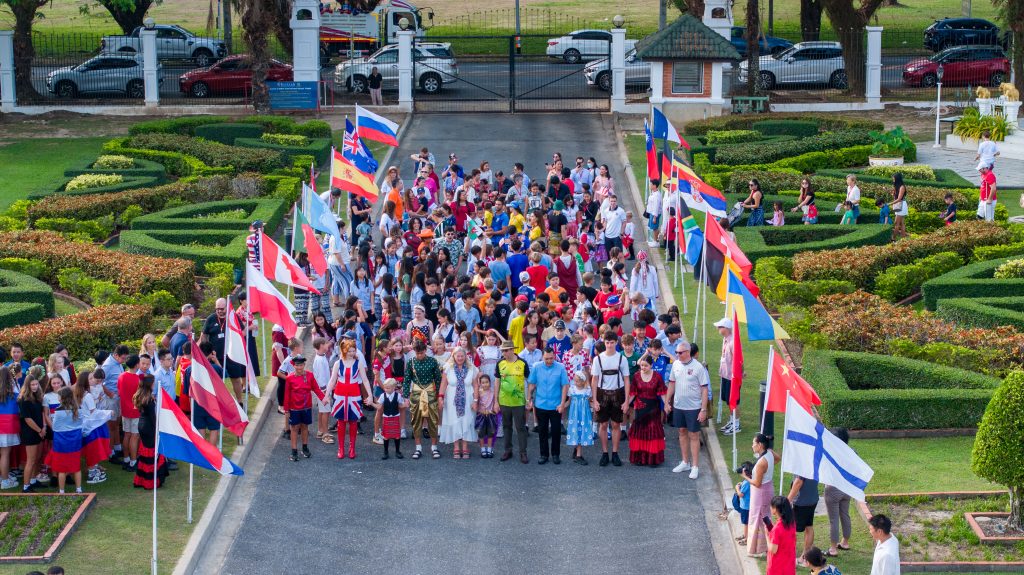
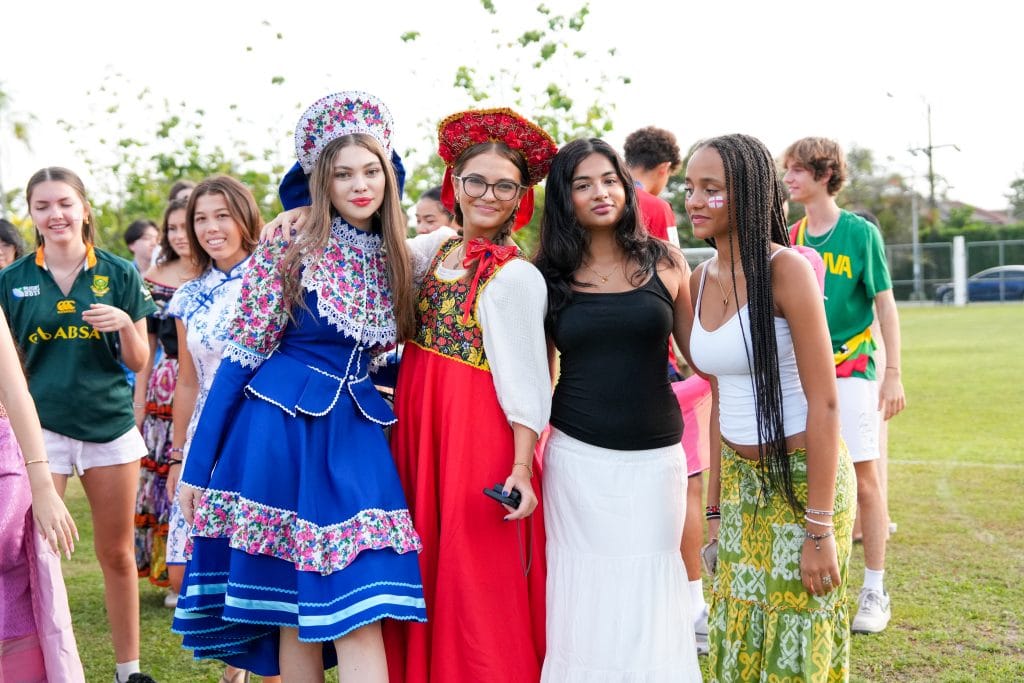
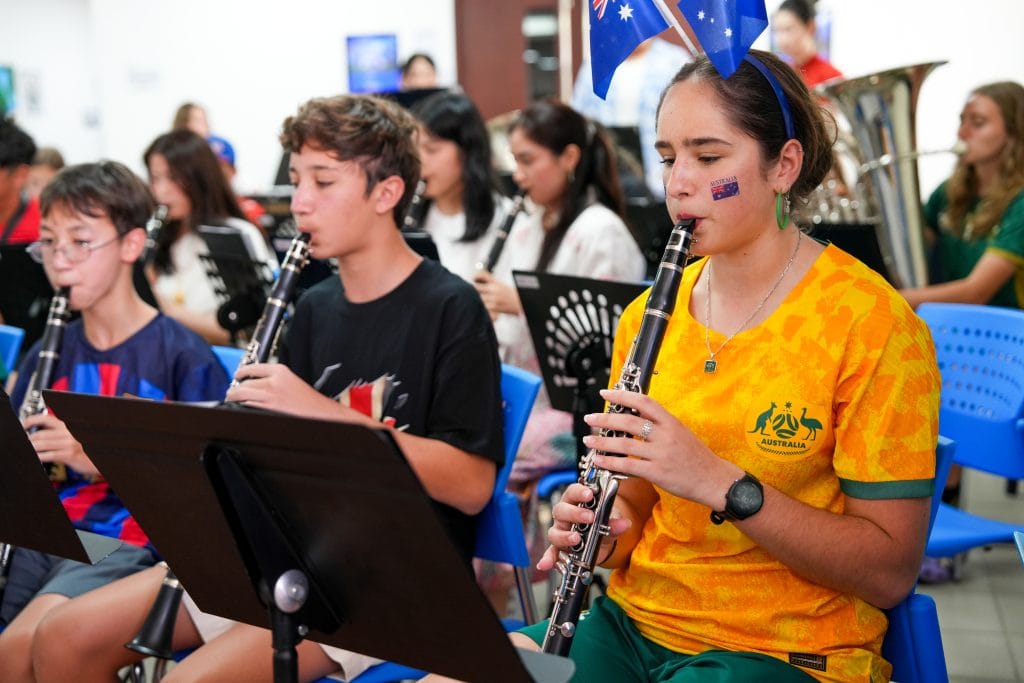
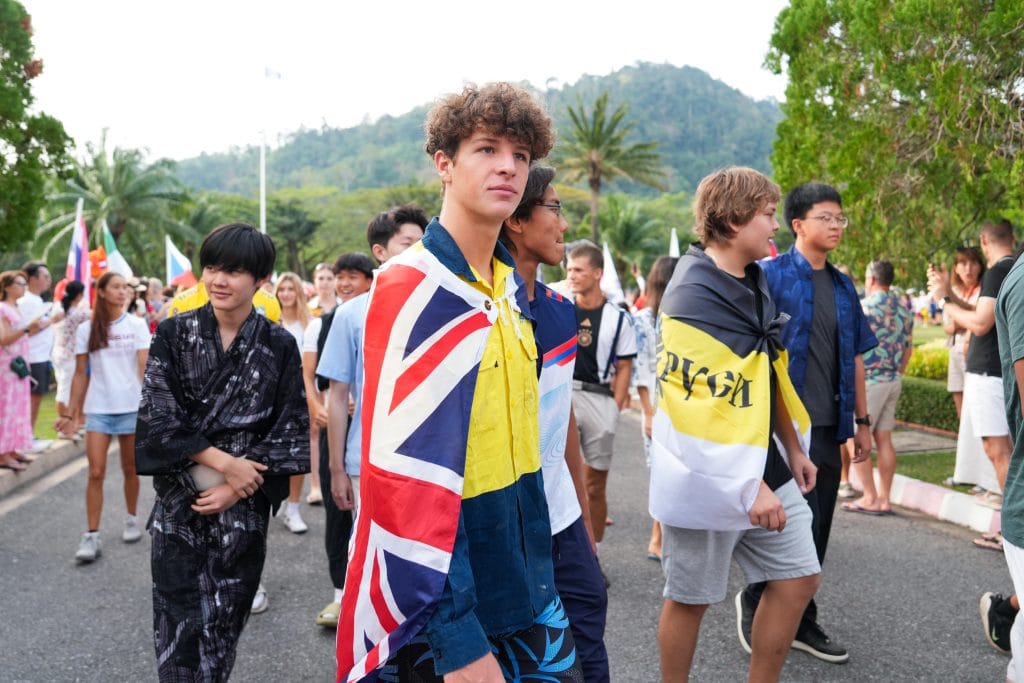
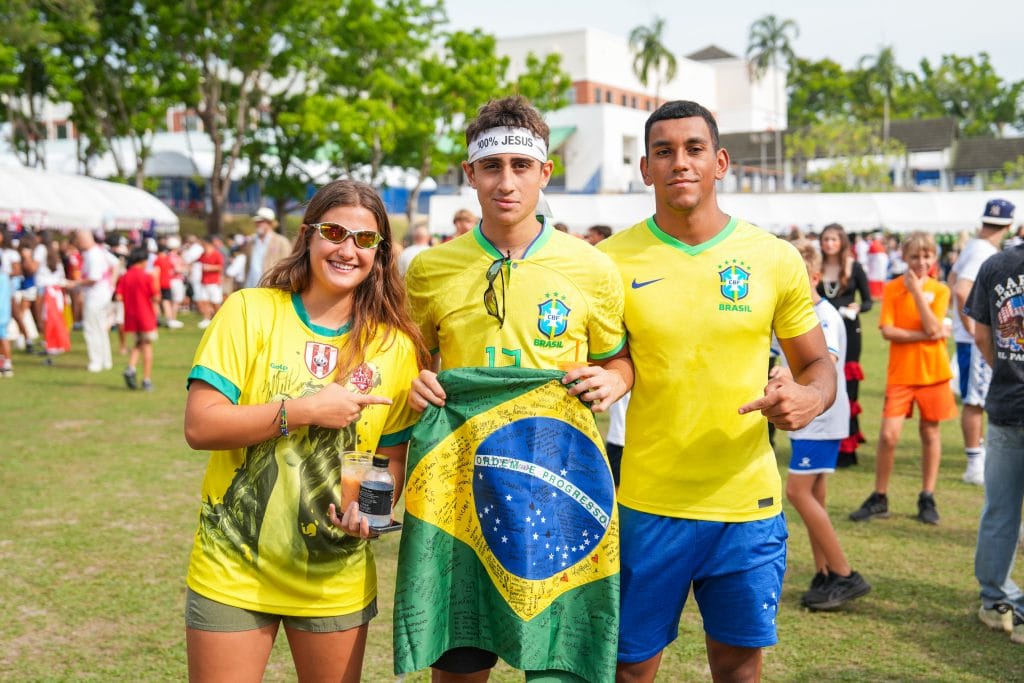
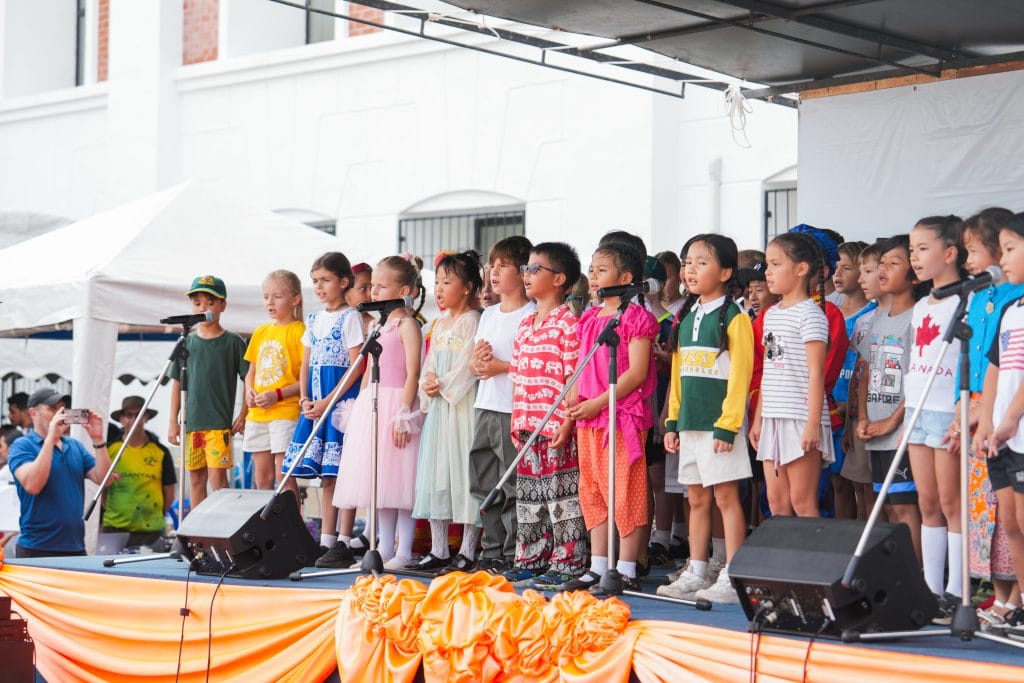
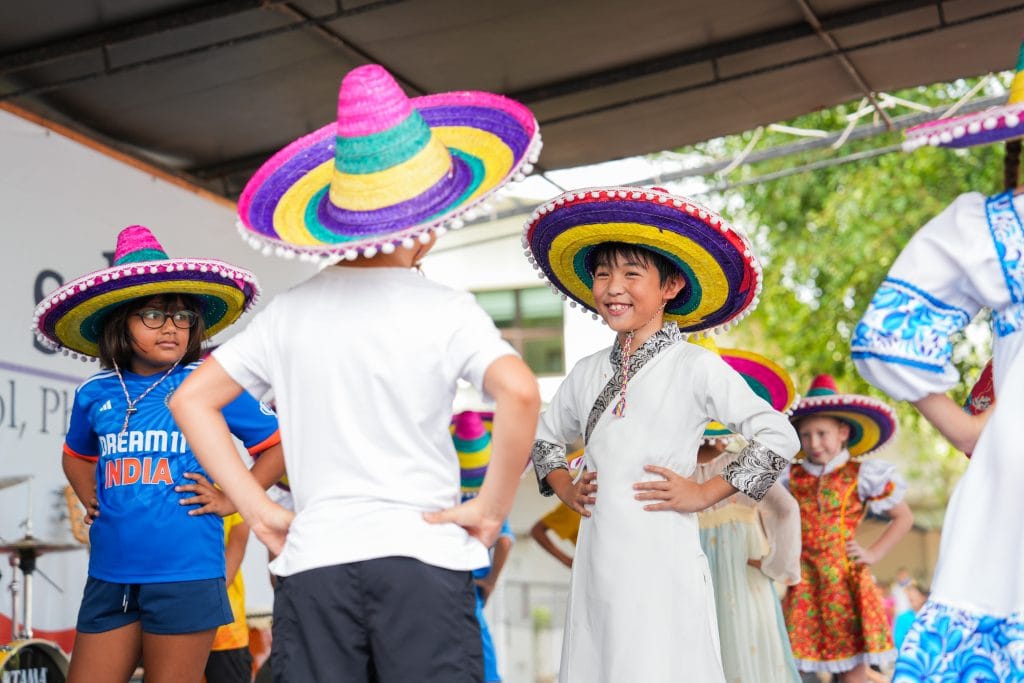
As we prepare to celebrate International Day at BISP, we are reminded that cultural diversity is not only something we mark on a single day, but something our students live and experience every day. Many of our learners grow up navigating multiple cultures, languages, and identities—an experience often described as that of a Third Culture Kid. In this reflective piece, Rosa Ali, BISP Languages Teacher, explores what it means to grow up between cultures and how this unique upbringing shapes globally minded, empathetic, and adaptable young people within our international school community.
Written by Rosa Ali, BISP Languages Teacher
Growing up far from home, yet feeling at home everywhere—that’s the story of many of our students. In today’s interconnected world, more children than ever are growing up across cultures, developing an incredibly global mindset from a young age. These remarkable young people—known as Third Culture Kids (TCKs)—learn to adapt, communicate, and thrive in diverse environments, turning cultural differences into opportunities for growth. Here at BISP, we celebrate and nurture this unique blend of perspectives, helping students not only excel academically but also develop the empathy, confidence, and global awareness that define future-ready citizens.
For a significant part of their early development years, Third Culture Kids (TCKs), are raised in a culture other than their parents’ or the culture of the country named on their passport. Their first culture would therefore be their original ‘home’, their second would be the host culture, and their third culture would be where the magic lies, as they try to integrate and embrace all of their experiences to reflect their wonderful individuality.
In his book “Third Culture Kids: Growing up Among Worlds”, David Pollock explains that the personality of a TCK is full of richness of character. They have an expanded world view, they are resilient, adaptable, independent, empathetic, with strong communication skills. They have a natural ability to relate to people from all walks of life, and they build deep relationships, bringing understanding, integration and joy. In her article “Why third Culture Kids Make Great Employees”, Peggy Smith (2019) confirms this by arguing that the strong characteristics of TCKs makes them more favourable to future employers. They are culturally intelligent and sensitive to diversity and inclusion: “Because they often develop an identity that’s rooted in people rather than places, TCKs tend to be more open-minded and sympathetic”. TCKs also have strong interpersonal skills, are adaptive and have high tolerance of ambiguity because they excel at being naturally flexible in different environments. As our world is becoming increasingly globalized, individuals who have been exposed to multiple cultures will find it easier to navigate a diverse world/workforce.
On the flip side, however, TCKs equally have to contend with certain challenges in their lifetime, namely a sense of rootlessness and restlessness with a profound sense of a lack of belonging. This trait is considered by many to have a negative impact on one’s life. However, in his ”8 Reasons Third Culture Kids Have the Potential to Be Great Leaders” article, Lewis Humphries (2019) evaluates this sense of rootlessness as something positive, explaining that “this lack of a fixed cultural identity tends to encourage curiosity and empowers individuals to seek out their own sense of belonging. As a result of this, third culture children are constantly seeking out knowledge and understanding, as they look to carve their own unique place in the world. This translates well into leadership, where those with the responsibility for others must embark on a path of relentless self-improvement and constant learning.”
TCKs are described as “cultural chameleons” who can easily build relationships by interacting meaningfully across different cultures. This innate skill in being able to adjust to their environment often means that TCKs “can generally approach various changes in their life circumstances with some degree of confidence because past experience has taught them that given enough time, everything will fall into place. This sense that they’ll be able to manage new situations often gives them the security to go take risks others might not” (Pollock, 2009).
Throughout the year, we celebrate the beauty of the diversity of the languages that we speak here at BISP. Language is what binds us to our culture and our ancestors; it’s what shapes our attitudes, beliefs, values and understanding of what is truth. Language is essentially at the heart of who we are.
The studies relating to TCKs are even more important for us to consider as we celebrate the marvellous diversity of our community and our wonderful pupils.
In the end, being a Third Culture Kid is not just about growing up between cultures—it’s about learning to build bridges across them. For each one of our students, every classroom discussion, cultural celebration, and friendship becomes a chance to understand the world in a deeper way. At BISP, we take pride in guiding these globally minded students as they discover their unique identities and prepare to make a positive impact wherever life takes them.